



Oil Filter Assembly Safety Features Every Buyer Should Know
1. Understanding Oil Filter Assembly
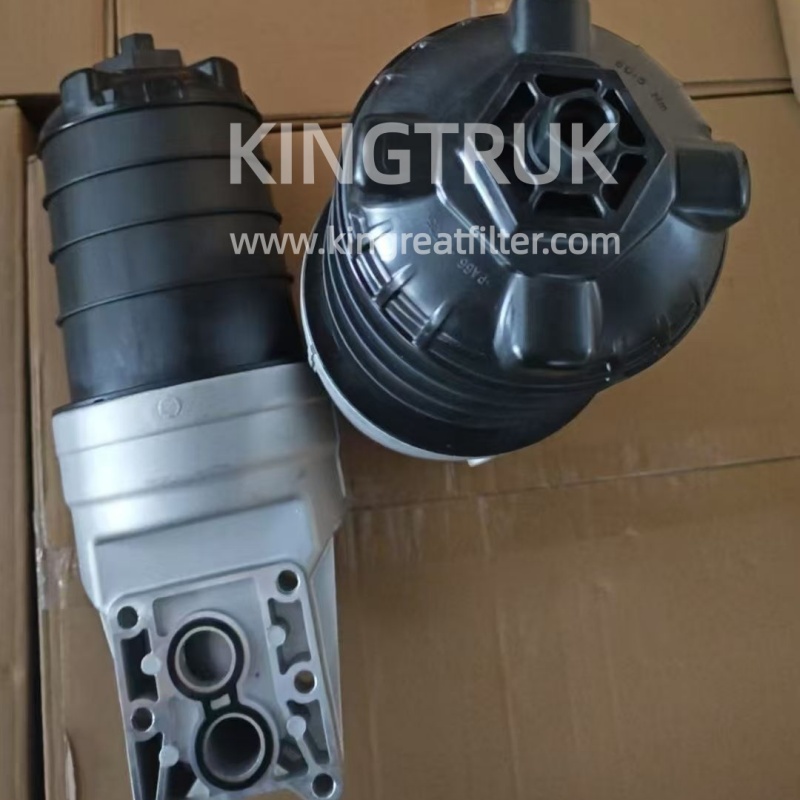
Oil filter assembly is a critical component in engine maintenance, ensuring that oil circulates without contamination. Understanding its safety features can prevent costly engine damage and enhance overall vehicle performance. Buyers should prioritize filters that incorporate advanced safety measures designed to protect engine health. In this article, we will explore essential safety features every buyer should consider when purchasing oil filters, from material quality to testing standards.
2. Key Safety Features
The following safety features are pivotal in oil filter assemblies:
Quality Sealant
A superior sealant guarantees no oil leaks, preventing operational failures that could lead to engine damage.
High-Performance Valves
High-performance valves regulate oil flow, ensuring that filters operate efficiently under varying conditions.
Robust Filter Media
The use of durable filter media minimizes the risk of clogging and ensures that contaminants are efficiently trapped.
Bypass Valve Mechanism
A bypass valve allows oil to flow even if the filter becomes blocked, protecting the engine from damage.
3. Importance of Quality Materials
Choosing oil filters made from high-quality materials is essential for safety and durability. Materials such as synthetic fibers and high-grade steel enhance resistance to high temperatures and pressures, thereby improving performance. Research shows that filters using premium materials can lead to a 30% longer lifespan compared to standard filters.
4. Testing and Certification Standards
Verification through rigorous testing and certifications ensures that the oil filter meets global safety standards. Many reputable brands adhere to ISO and SAE standards, which involve:
| Testing Type | Purpose |
|---|---|
| Pressure Testing | Checks for leaks and structural integrity. |
| Flow Rate Testing | Ensures optimal oil flow through the filter. |
| Endurance Testing | Simulates long-term use to ensure reliability. |
5. Common Safety Issues
Buyers should be wary of common safety issues that can arise from poor-quality filters:
Oil Leaks: Caused by inadequate sealing mechanisms.
Inadequate Filtration: Results from subpar filter media.
Bypass Valve Failures: Which can lead to unfiltered oil circulating through the engine.
6. Manufacturer Reputation
The reputation of the manufacturer plays a significant role in the safety and reliability of oil filter assemblies. Buyers are encouraged to look for manufacturers with positive reviews and a history of quality production, such as which is known for its commitment to excellence. A reputable manufacturer will typically provide:
Transparency about materials used
Information on their testing processes
Strong customer support services
7. Conclusion
In conclusion, understanding the safety features of oil filter assemblies is crucial for buyers in making informed purchasing decisions. By prioritizing quality materials, understanding testing standards, and selecting reputable manufacturers, buyers can significantly reduce risks and enhance vehicle performance. When considering an oil filter, consult resources and look for trusted brands like KINGTRUK Filter to ensure you are investing in the best product for your needs.